
See the Perseid Meteors Tonight
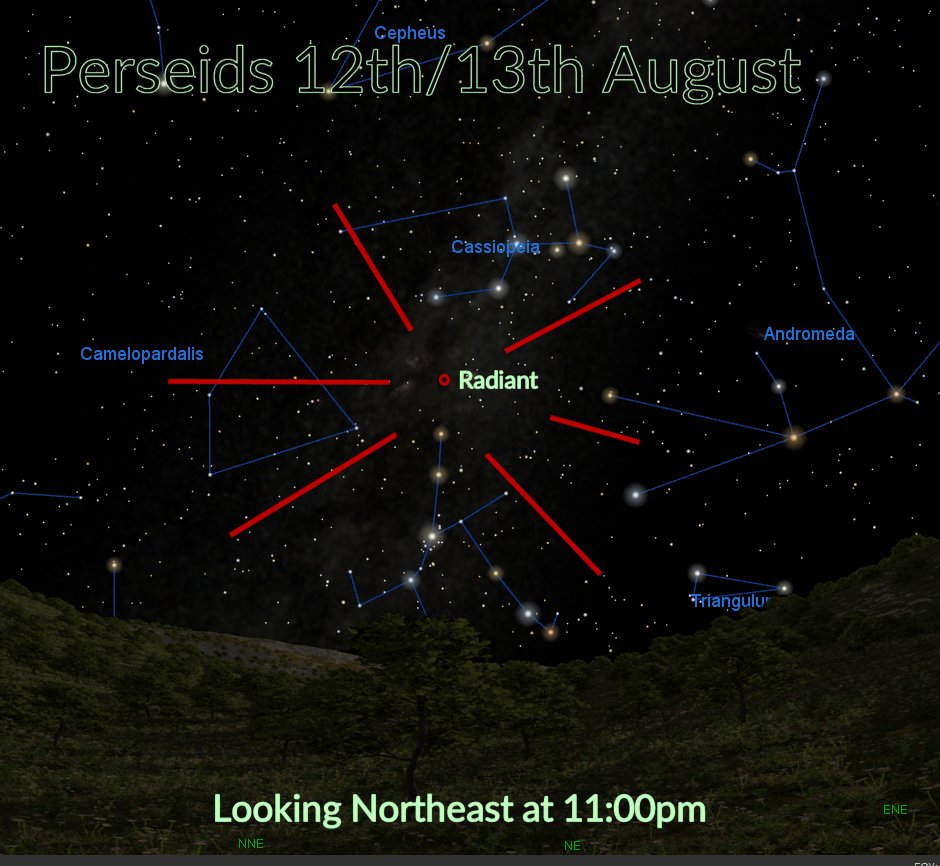
Why not take the opportunity to see one of the best meteor showers of the year? It’s happening tonight, so how best to see them.
The Perseids are tiny pieces of Comet Swift Tuttle which are swept up by Earth as it crosses the part of space where the comet previously passed. Travelling at speeds in excess of 11km/sec, these are instantly vapourised by our atmosphere and wee see them as streaks of light across the sky as they burn.
To see them best you don’t need any special equipment, just your eyes and a dark clear sky. Position yourself as far from artificial light as possible and face north-east. The meteors will be visible all night but will get more prominent as the night progresses, so the later the better. Don’t expect to see them straight away. You will usually see a meteor every few minutes so give it time and you won’t be disappointed.
The diagram above shows the radiant point (the part of the sky the meteors appear to emanate from) just above the constellation of Perseus (hence the name ‘Perseids’)
How to spot Comet NEOWISE
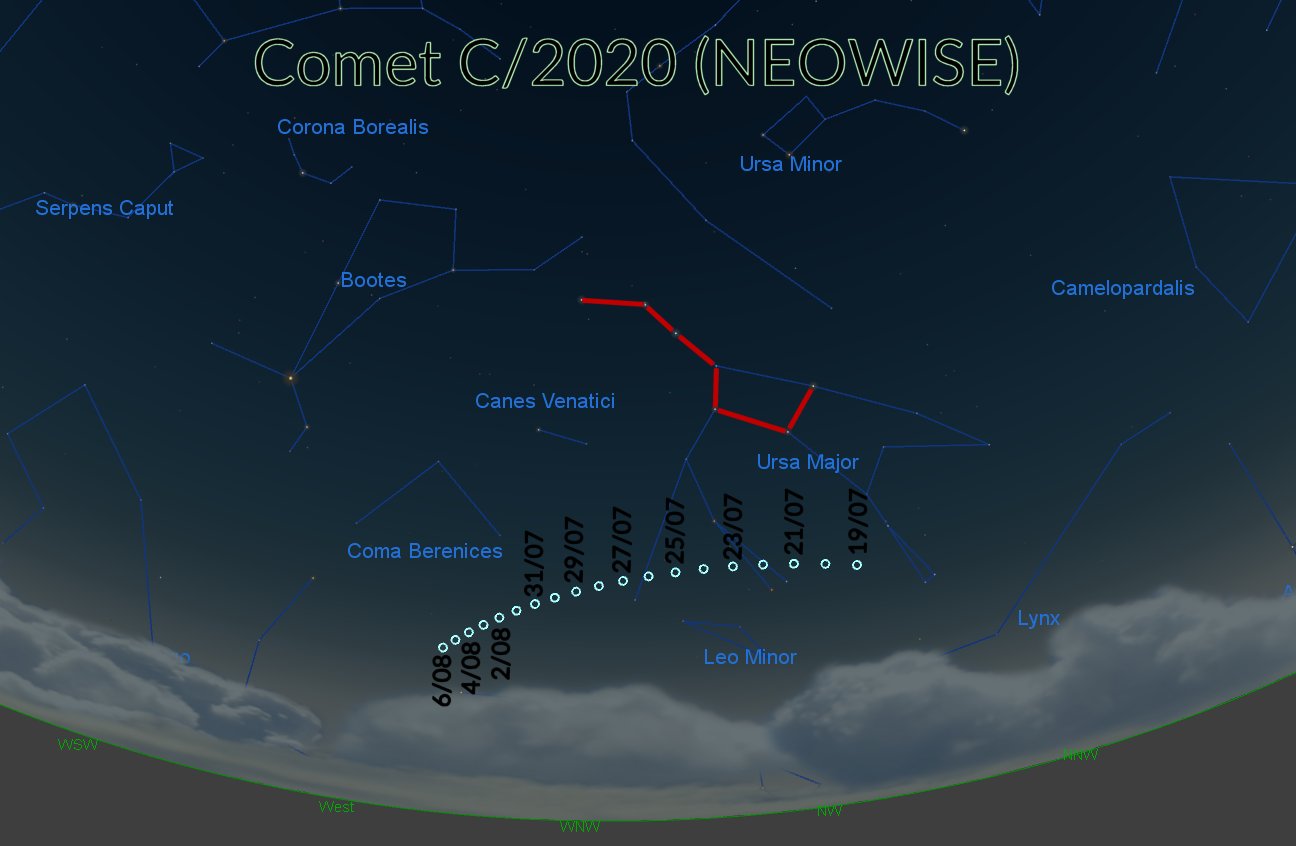
If you are looking to find comet NEOWISE but don’t know where to look this finder chart should help. You need to be looking North West as soon as the sky is dark enough, At this time of year that is really from about 11:15pm onwards. Locate the “Plough” or “Big Dipper” (highlighted in red on the map). You can use the stars of the plough to point you in the direction of Comet NEOWISE for the date given on the map. As you can see as each night passes NEOWISE is moving westward and slowly sinking into the twilight. From light polluted cities you will probably need binoculars to spot it. The comet itself is fading too so you need to grab the next clear night if you not to miss this opportunity to see a naked eye comet in the sky!
So What’s This Super Blood Wolf Moon?
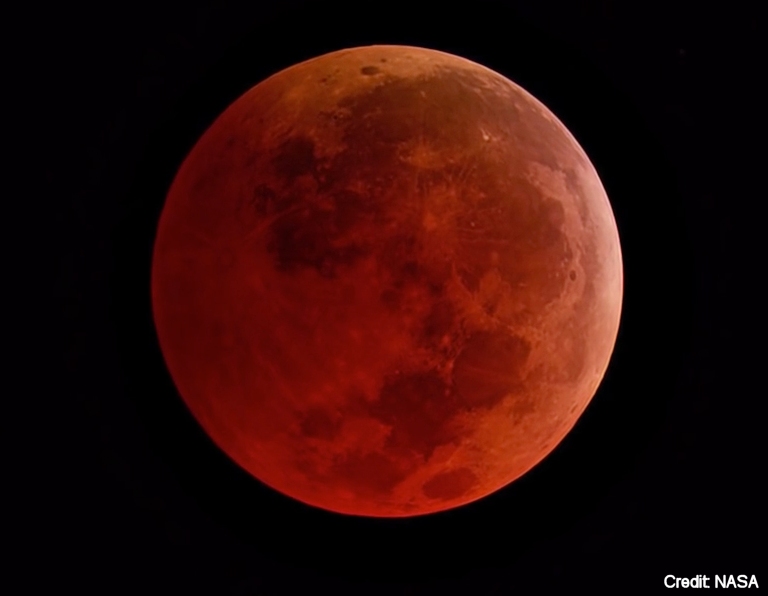
On Monday morning a total Lunar eclipse is visible all over Ireland and UK. Read all about it here
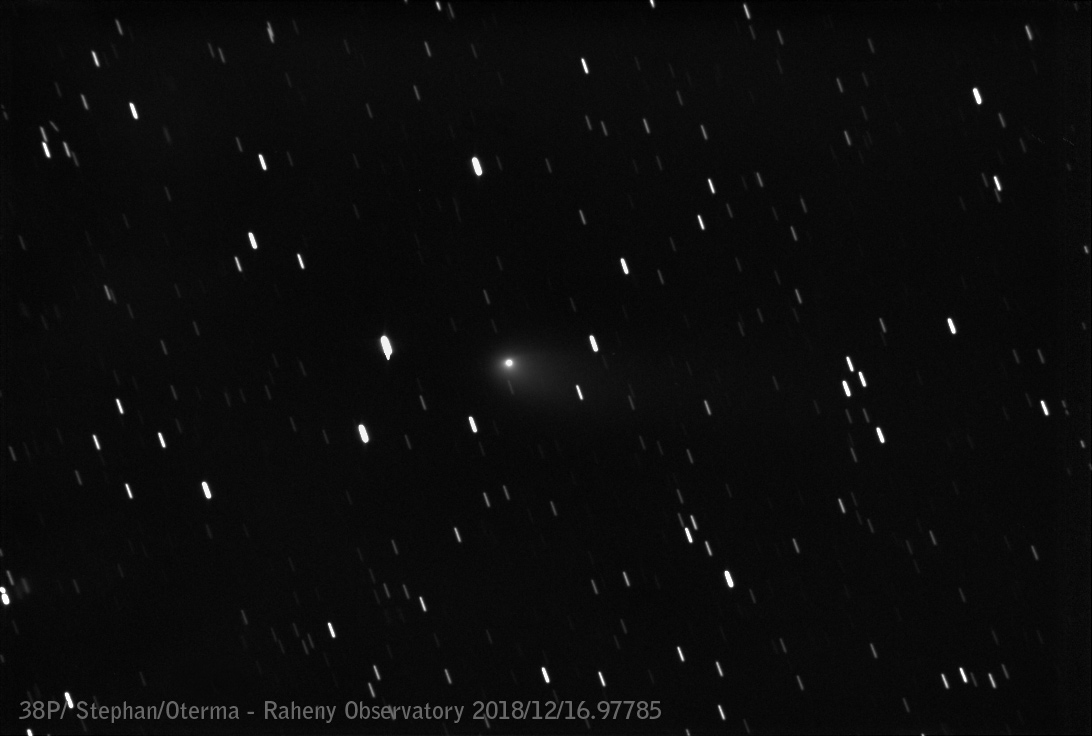
Comet 38p/Stephan-Oterma
Comet 38P/Stephan-Oterma sporting a bit of a tail. Imaged 16/12/2018
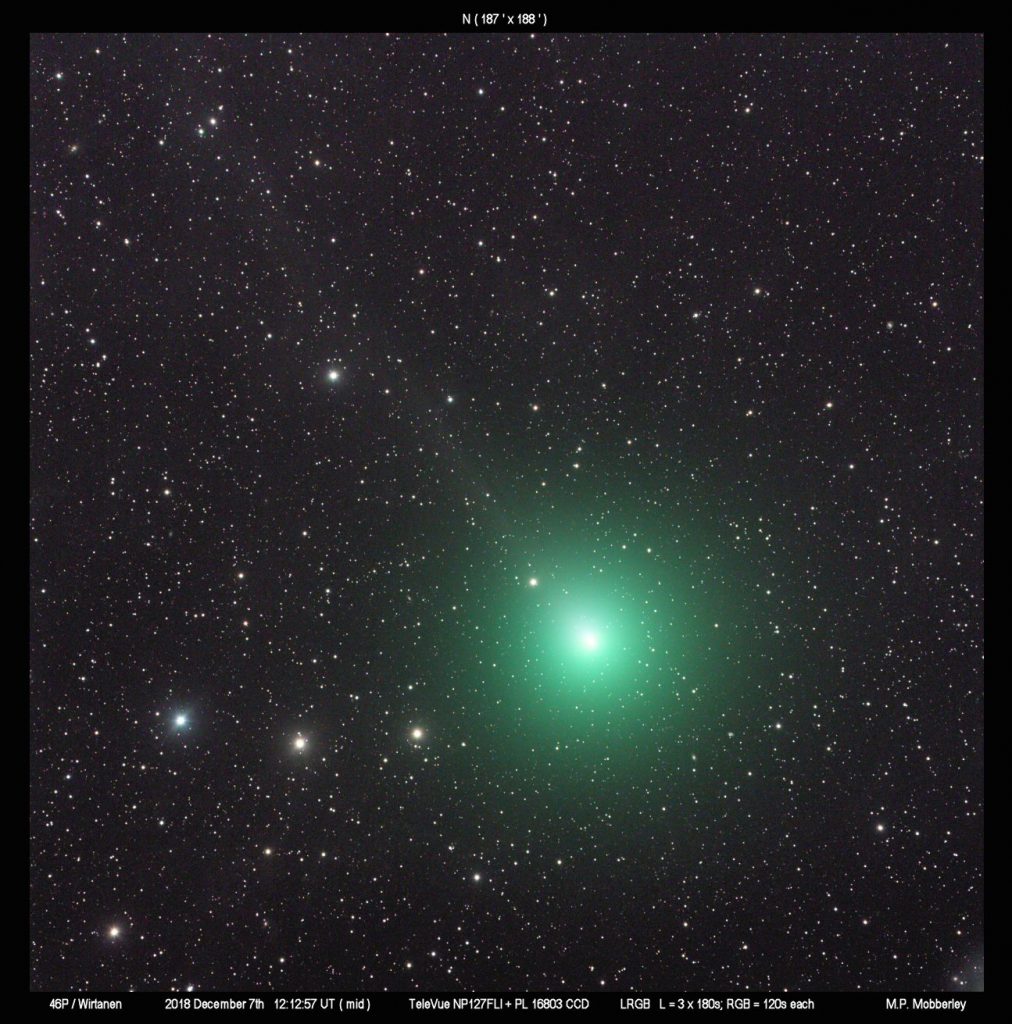
A Cosmic Christmas Present for 2018
This December Comet 46/P Wirtanen lights up the Christmas Sky. Read about how you can get to enjoy the show as the comet passes Earth this December. Read the Full Story Here
Measuring the Redshift – Quasar 3C-273
Back in 2012 I achieved an ambition of measuring the distanct to one of the universes most distant and strange objects. Here’s the story of how that happened.
Public Talk on August 14th
I will be giving a talk for Astronomy Ireland on August 14th.
“There’s nothing amateur about Science” by Dave Grennan, Raheny Observatory.
In this talk I will explore the many ways amateur astronomers can contribute to real practical science. Some of the areas I will explore are
- Minor Planet Research
- Supernova hunting
- Variable star monitoring
- Spectroscopy
…and lots more
Venue is Physics Building Trinity College Dublin
Tickets are available from Astronomy Ireland
rahenyobservatory.ie is back!
Earlier in the year rahenyobservatory.ie was the victim of malicious hackers who set about taking control of this website. The old website was so badly damaged it is not recoverable. However I have been able to recover most of the old content and over the next weeks and months, I’ll be setting about reconstructing much of this.